Back

Set Design 101: 5-Step Guide by the Bold Studios

Cinema, theatre, advertising—these all rely on one essential art form: set design. 

Set design is a language both theoretical and practical, complex and multifaceted. It doesn’t just create spaces—it shapes imagination, giving each scene a distinct and memorable visual identity.
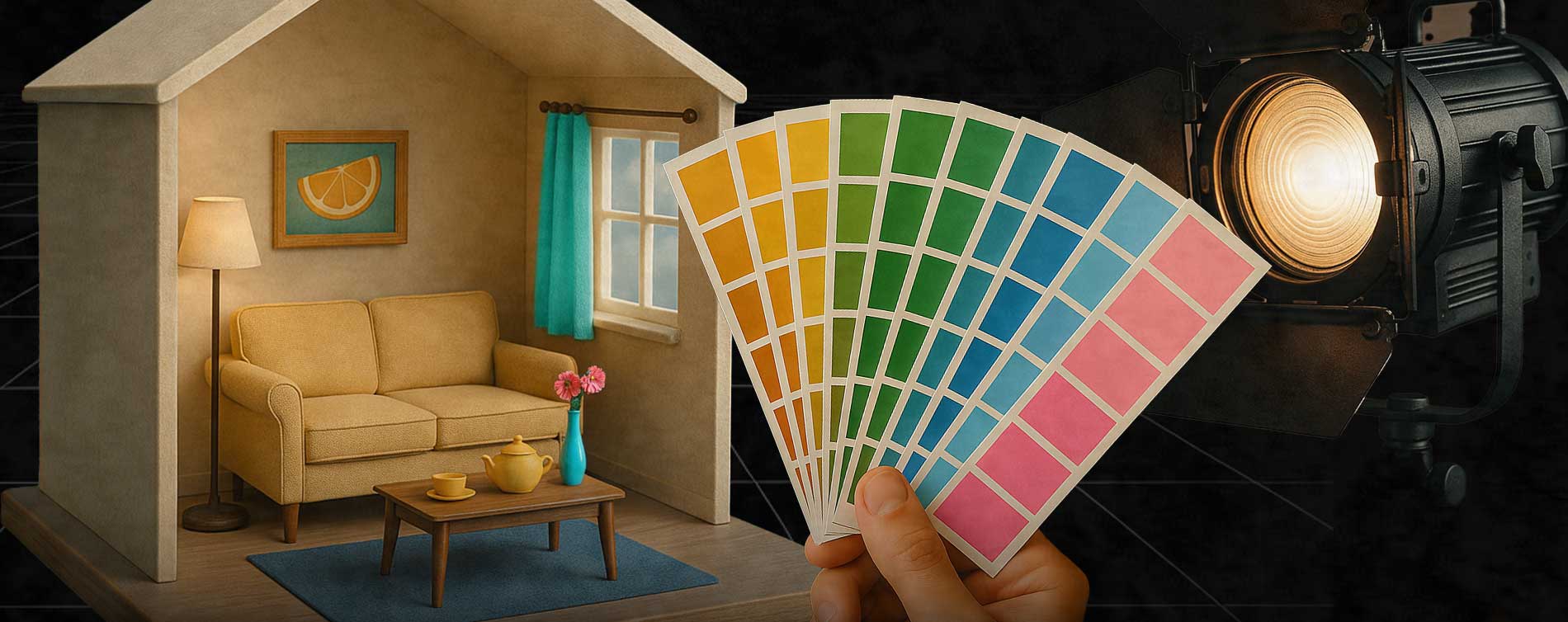
Set Design: Where Do You Start?

Set design is not just a backdrop, it’s an integral part of visual storytelling. In advertising, just like in cinema, every scenic element contributes to building atmosphere and directing the viewer’s gaze. Here are five fundamental rules to keep in mind when designing a set.

  1. Read and Re-Read the Script
Everything you need to bring a scene to life, one that conveys the right emotions and meanings, is right there in the script. That’s why it’s crucial to read and re-read it until you know it like the back of your hand. Once you’ve internalized every detail, you’ll be free to explore the creative and practical solutions that best align with the story. → We approached the Selenella commercial with exactly this mindset— understanding storytelling needs to craft an evocative “farm to table” journey.  (Access to this ghost production is available on request.)
  1. Communication Is Key
If you’ve ever been on set, you know how crucial communication is to the success of a shoot. Cinema and advertising are inherently collaborative, built at the intersection of various departments and disciplines. In set design, it’s essential to work closely with the director and the costume department to ensure consistency in style, tone, and vision. → This interplay was key in Riducella, where dialogue with art and cinematography teams resulted in a refined aesthetic—balancing elegance and medical precision.
  1. Prioritize Functionality
A set, especially in commercial work, needs to support technical requirements such as lighting, camera angles, and space for crew and performers. Of course, design and detail matter, but never at the expense of practicality. → In Beta’s Well Done Unpublished we used pared-down set pieces and strategically placed lighting to focus all visual energy on the product in action. (Access to this ghost production is available on request.)
  1. Trust Instinct and Creativity
Designing a set means research, planning, and study, but it also calls for instinct and creativity. While preparation is key, once you’re on set, you have to be ready for anything. Thinking on your feet and adapting in real time often makes all the difference.

→ Nowhere was this more true than with Vesuvius, a high-intensity music video for Philipp Kirkorov. From a looted mansion to a volcanic eruption, we pushed design and logistics to their limits.

  1. Obsess Over the Details

On set, nothing is left to chance. Every detail matters, even the smallest, seemingly invisible one. Each component of the set design plays an active role in shaping the viewer’s perception of the story, the world, and the mood of a scene.

→ With Nobili, we blended industrial accuracy with lived-in domestic warmth, juxtaposing factory and home to underscore the elegance and utility of the product.

(Access to this ghost production is available on request.)

Great set design strikesg the perfect balance between creativity and logic, artistic vision and technical precision. Every successful environment is the result of research, collaboration, instinct, and attention to detail. And it’s in this balance that set design stops being just a backdrop, and becomes a living part of the narrative.

tBS
tBS
https://theboldstroke.com